The Psychology Behind Gaming Addiction: Why Games Can Be Hard to Put Down
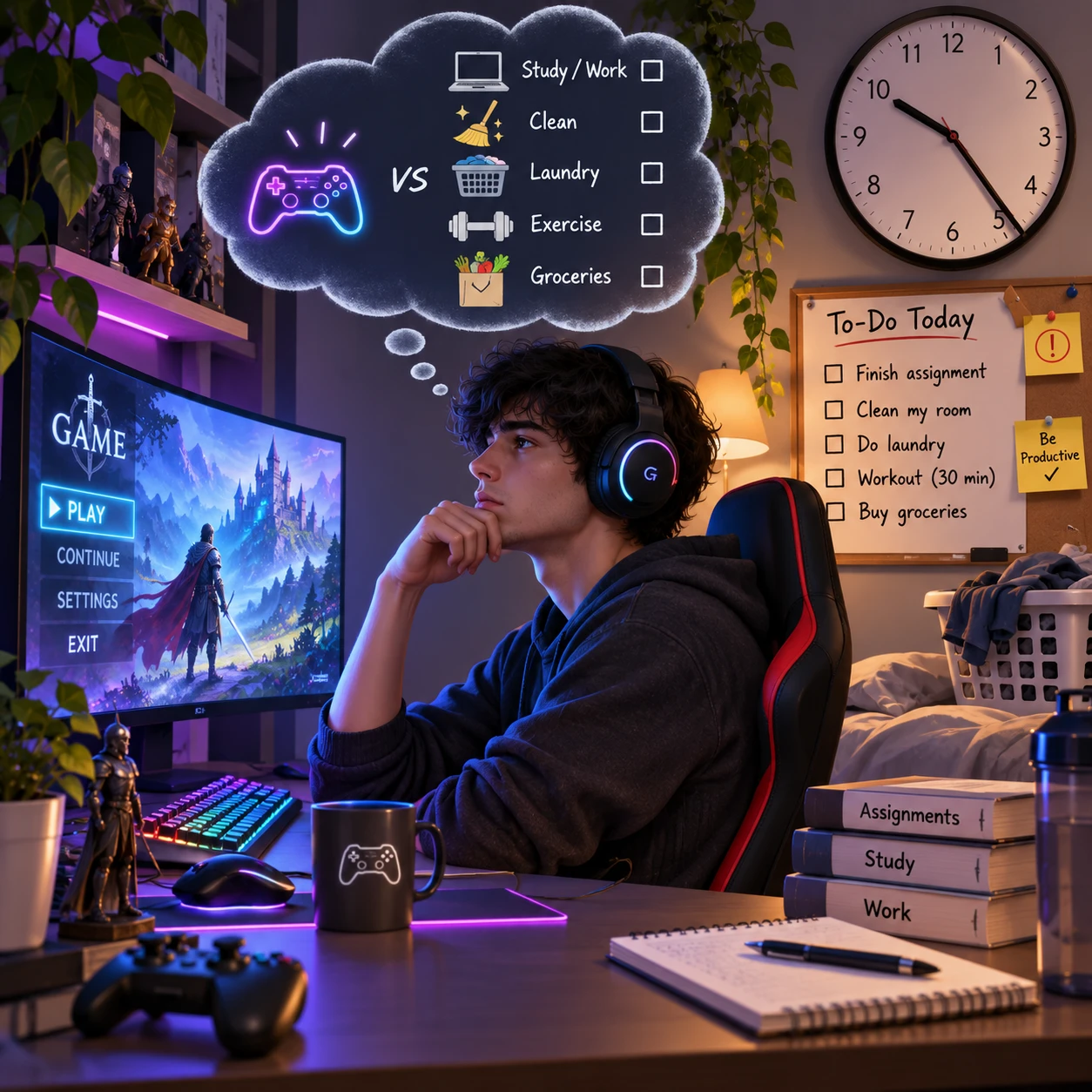
Games can make time disappear. A quick match turns into a late night, or one more quest stretches into an hour. For most players, that is an occasional part of enjoyable play. The concern begins when gaming feels difficult to control and repeatedly pushes aside sleep, relationships, school, work, or health.
The psychology behind gaming addiction involves more than a game’s design or a player’s willpower. Reward systems, emotional needs, social connection, and personal circumstances can all shape the way someone plays. Understanding those forces makes it easier to distinguish enthusiastic gaming from a pattern that is causing harm.
What Does “Gaming Addiction” Mean?
Gaming addiction is a common phrase for persistent, hard-to-control gaming that causes meaningful problems in everyday life. Playing for many hours alone does not establish a disorder; the key questions are whether control is impaired and whether gaming is taking priority despite harmful consequences.
The World Health Organization’s gaming disorder description focuses on impaired control, increasing priority given to gaming, and continued or escalating play despite negative effects. The pattern must cause significant impairment in personal, family, social, educational, or occupational functioning. A diagnosis requires assessment by a qualified professional, not a single symptom or an online checklist.
Enthusiastic players may spend long sessions on a new release, compete seriously, or talk about games often while still meeting responsibilities and choosing when to stop. With compulsive gaming, attempts to cut back may repeatedly fail, and gaming can continue even when the person recognizes its cost. Duration matters less than the pattern and its consequences.
How Game Rewards Keep Players Engaged
Game rewards keep players engaged by making actions feel meaningful and by offering goals to pursue. Progression, achievements, and unpredictable rewards can encourage continued play, but these mechanics are common design tools, not proof that a game or player is unhealthy.
A progress bar, a new ability, or a difficult boss defeated after several attempts gives clear feedback: effort changed the outcome. Progression and achievement can support learning and satisfaction, much like improving at a sport or instrument. Daily quests, ranked ladders, and limited-time events add structure, while multiplayer games may make leaving feel like letting teammates down.
Variable rewards are outcomes that arrive unpredictably. A match might produce a rare item, a surprising win, or a new social moment; because the next outcome is uncertain, players may feel tempted to try again. That does not mean every reward triggers addiction. It means uncertain rewards can be especially engaging for some people, particularly when paired with easy access and few natural stopping points.
Dopamine is involved in learning, motivation, and anticipating rewards. It is too simple to say that games “flood the brain with dopamine” or that dopamine alone explains compulsive play. Game design can influence behavior, but its effects depend on the player, the context, and how gaming fits into the rest of life.
The Emotional Reasons People Turn to Games
People turn to games for many emotional reasons, including enjoyment, stress relief, mastery, escapism, and social connection. These needs are normal; concern grows when gaming becomes the main or only way to manage difficult feelings or feel connected.
A game can offer a reliable space to make progress when work or school feels uncertain. Clear objectives and immediate feedback may create a sense of competence, while exploration or role-play can provide a break from stress. Escapism is not automatically harmful: taking a temporary mental break can be restorative. It becomes more concerning when avoiding problems through play makes them harder to address.
For many players, the social side matters just as much as the gameplay. Guilds, voice chat, co-op missions, and regular matches can create friendship and belonging. A player may stay online because friends are there, not because the game’s reward loop has taken over. At the same time, fear of missing a group event or disappointing teammates can make it harder to log off.
Ask what gaming provides on a difficult day: relaxation, achievement, company, distraction, or all four? The answer can help identify what a person might need more of elsewhere. Replacing gaming entirely is rarely necessary; building additional ways to meet those needs can reduce pressure on play.
Who May Be More Vulnerable—and Why
No single type of person is destined to develop gaming problems. Vulnerability can rise when personal stress, limited support, emotional difficulties, and highly engaging play overlap, but these circumstances do not make gaming disorder inevitable.
Someone coping with loneliness may value an online community; someone facing anxiety or low mood may find games easier to manage than unpredictable offline situations. A major life change, lack of structure, or difficulty regulating impulses can also make long sessions more likely. These are possible influences, not a diagnosis, and they should not be used to stereotype young players, competitive gamers, or any particular genre’s audience.
It is useful to look at the whole context, not just screen time. Consider what was happening when play increased, what the player gets from gaming, and what has been displaced. A competitive season, a holiday, or a new release may explain a temporary spike; persistent disruption after the circumstances change deserves closer attention.
When Gaming Starts to Affect Everyday Life
Gaming may be affecting everyday life when it repeatedly disrupts sleep, responsibilities, relationships, or wellbeing and the player struggles to change the pattern. These effects matter more than whether a session seems “too long” to someone else.
Late-night play can shift bedtimes and leave a person tired during school or work. Missed meals, neglected chores, falling performance, arguments, or less contact with friends outside a game may also signal that gaming is crowding out important needs. Some players feel restless or irritable when they cannot play; that experience alone does not prove a disorder, but it can be useful information.
Look for a pattern across weeks rather than judging one intense weekend. A practical check is to ask: What has changed? Is the person sleeping less, missing commitments, or repeatedly breaking limits they set themselves? Are they still enjoying play, or continuing mainly to avoid discomfort? Honest answers can guide a calm conversation without turning gaming into a moral failing.
Building a Healthier Relationship With Gaming
To build a healthier relationship with gaming, notice what prompts long sessions, set realistic stopping points, protect essential routines, and add other ways to meet emotional and social needs. The aim is control and balance, not punishment or automatic abstinence.
- Track patterns for a week. Note when you play, how you feel beforehand, and what gets delayed. This can reveal whether boredom, stress, loneliness, or a particular event is driving extra sessions.
- Choose boundaries you can keep. Decide on a stopping time before starting, use an alarm, or stop after a clearly defined match or quest. Build in a few minutes to finish safely rather than relying on a vague “one more.”
- Protect sleep and commitments first. Set a device-off time that leaves room for a wind-down routine. Keep gaming equipment out of bed if it regularly turns bedtime into another session.
- Make stopping easier. Tell teammates when you are leaving, disable nonessential game notifications, and avoid starting a long activity when you have a short window.
- Keep other sources of connection and reward. Schedule time with friends offline, pursue a manageable hobby, or break a work goal into small steps that provide visible progress.
Expect some trial and error. A strict limit that ignores team schedules or a stressful week may fail; adjust it and focus on what helps you follow through. If gaming continues to interfere with daily functioning, causes serious distress, or repeated attempts to cut back do not work, consider speaking with a mental health professional or a healthcare provider. Support can address gaming habits alongside any stress, mood, or relationship concerns contributing to them.
Frequently Asked Questions
Is playing video games for many hours the same as gaming addiction?
No. Long sessions alone do not establish gaming disorder. The more important signs are impaired control, gaming taking priority over important activities, and continued play despite significant harm.
What psychological needs can gaming meet?
Gaming can offer achievement, mastery, structure, stress relief, escapism, and social connection. These benefits are part of why games are enjoyable; problems may arise when play becomes the only reliable way to meet those needs.
Can game design contribute to compulsive play?
Some features, such as unpredictable rewards, progression systems, limited-time events, and social commitments, can encourage continued play. They may contribute to a pattern, but neither a particular mechanic nor frequent play by itself proves addiction.
When should someone seek help for gaming-related problems?
Consider professional support when gaming repeatedly harms sleep, responsibilities, relationships, or wellbeing, especially if attempts to regain control have not worked. A qualified clinician can assess the situation and discuss suitable support without assuming that all gaming is harmful.